Project Overview
Description
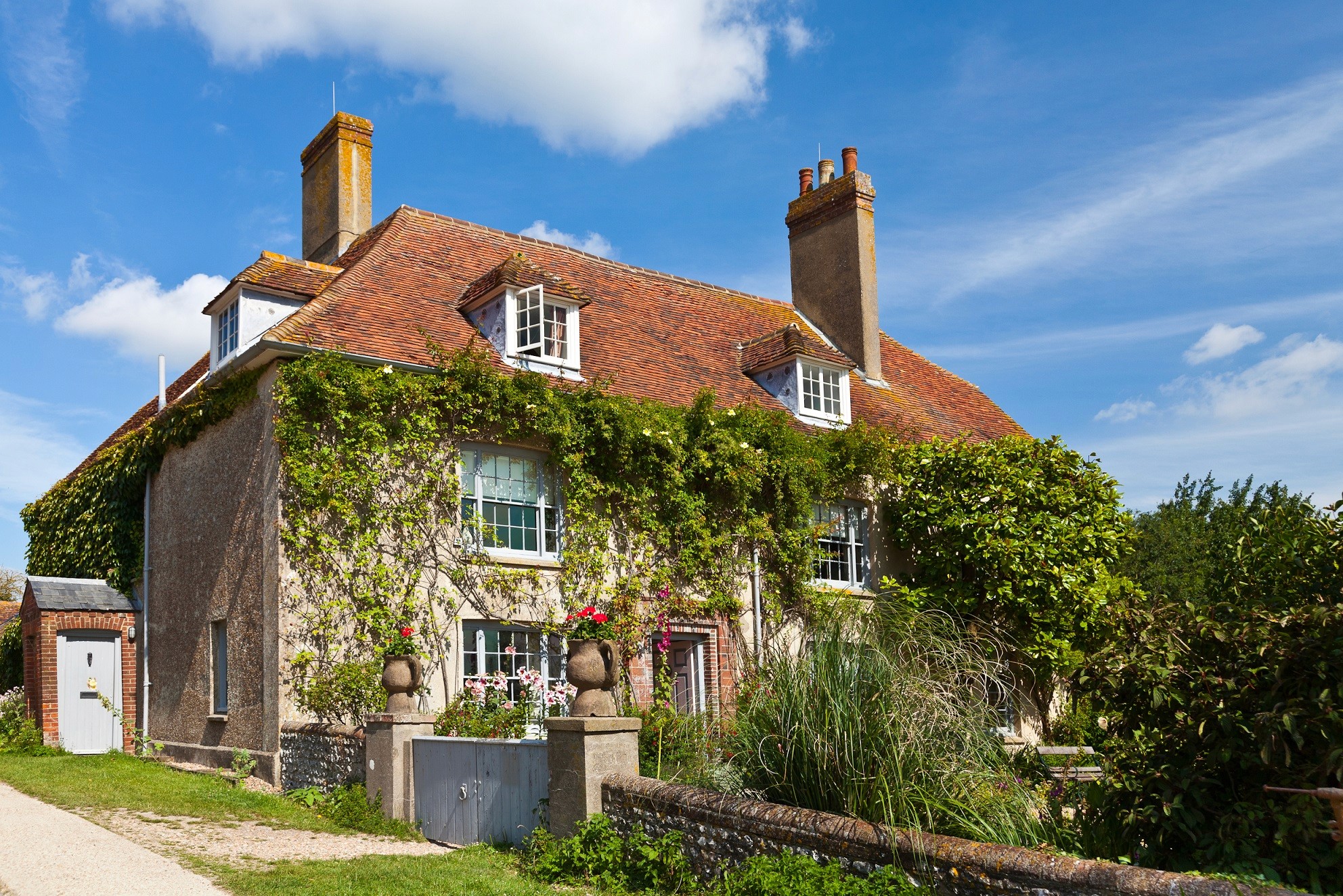
Charleston House is a remote Sussex Farmhouse that in 1916 became the home of artists Vanessa Bell and Duncan Grant and the country retreat of the pioneering Bloomsbury group. The Charleston Trust was founded to restore the house, which has ever since been run as a highly successful museum. The Centenary project restored the aesthetic integrity of Charleston by reuniting the historic farmhouse and listed barns through a conservation-led project that delivered new public, exhibition and learning spaces for an internationally significant cultural site.
Our role
We were the Project Managers and Contract Administrators, managing statutory constraints, coordinating conservation-led design development and supporting programme and delivery strategies aligned with funding and operational requirements. We worked closely with the Trust and consultant team to balance conservation priorities with the need to adapt the site for public use and long-term sustainability. We also delivered the Trust's five-year Business Plan. Due to the site's rural location and ecological sensitivity, the project was subject to stringent statutory controls. We secured a Natural England ecology licence for bats and dormice and an Ordinary Watercourse Consent. We supported late-stage fundraising by programming works to align with funder requirements and assisting with funding applications, ensuring the project remained deliverable without compromising conservation or design deliverables.
Scope and Outcomes
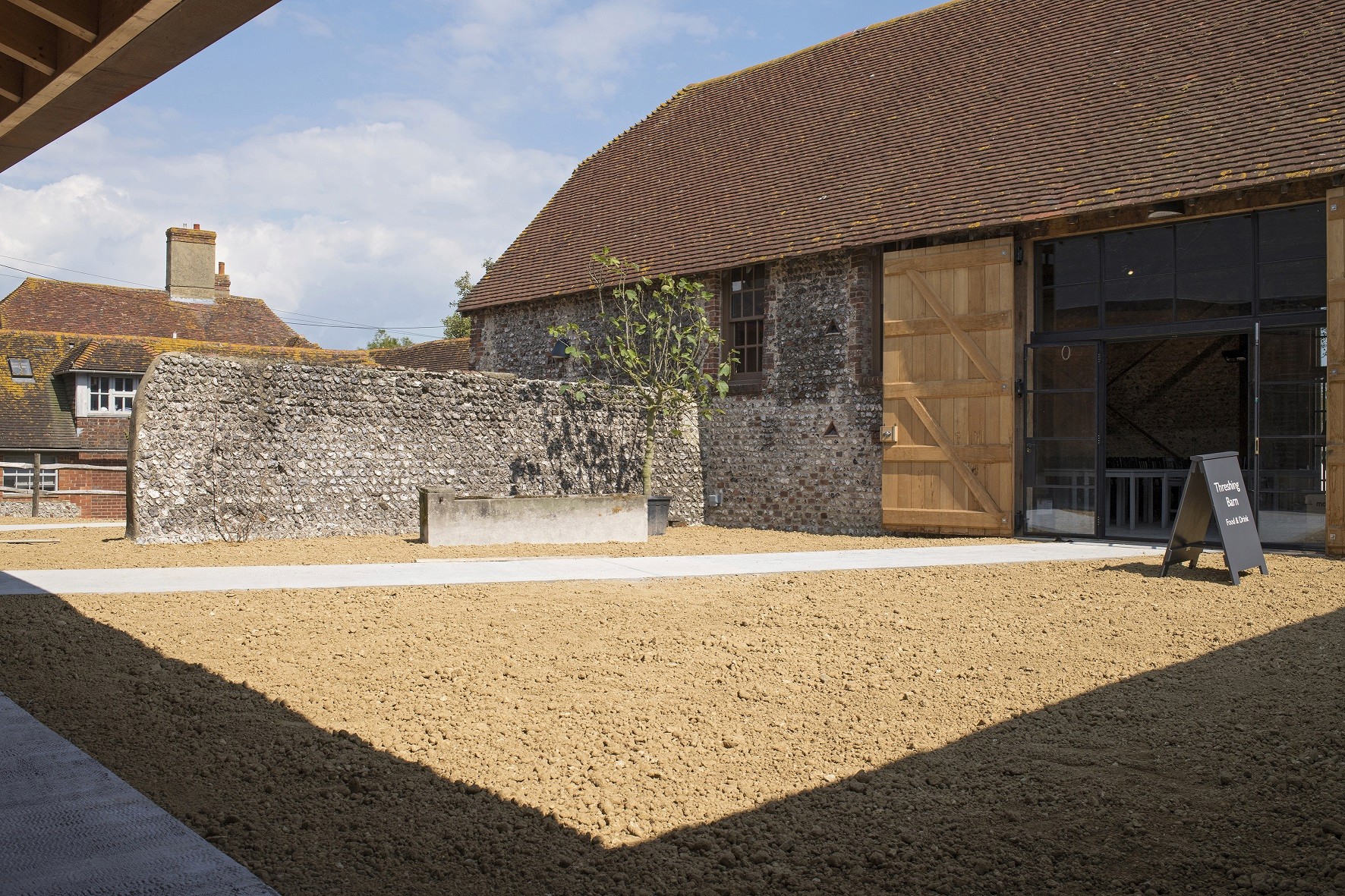
The Grade II listed barns had suffered significant deterioration, requiring extensive conservation works to secure their long-term survival while sensitively adapting them for regular public use. The project was needed to support Charleston's established programme of events alongside the expansion of formal and informal learning in line with the National Lottery Heritage Fund activity plan. The project comprised a series of conservation, restoration and new-build interventions across the Charleston site:
Restoration of the Grade II listed historic barns to provide a new auditorium and public spaces for the activity programme.
Construction of a new exhibition centre and collections store designed by Jamie Fobert Architects.
Reconstruction of an original granary barn to create a dedicated education studio.
Formation of a new access lane to remove vehicles from the centre of the site.
Expanded car parking facilities to support increased visitor numbers. Outcomes:
Safeguarding of nationally significant Grade II listed barns through specialist conservation works.
Sensitive adaptation of historic structures for public access and cultural use.
Enhanced facilities supporting Charleston's cultural, learning and engagement ambitions.